

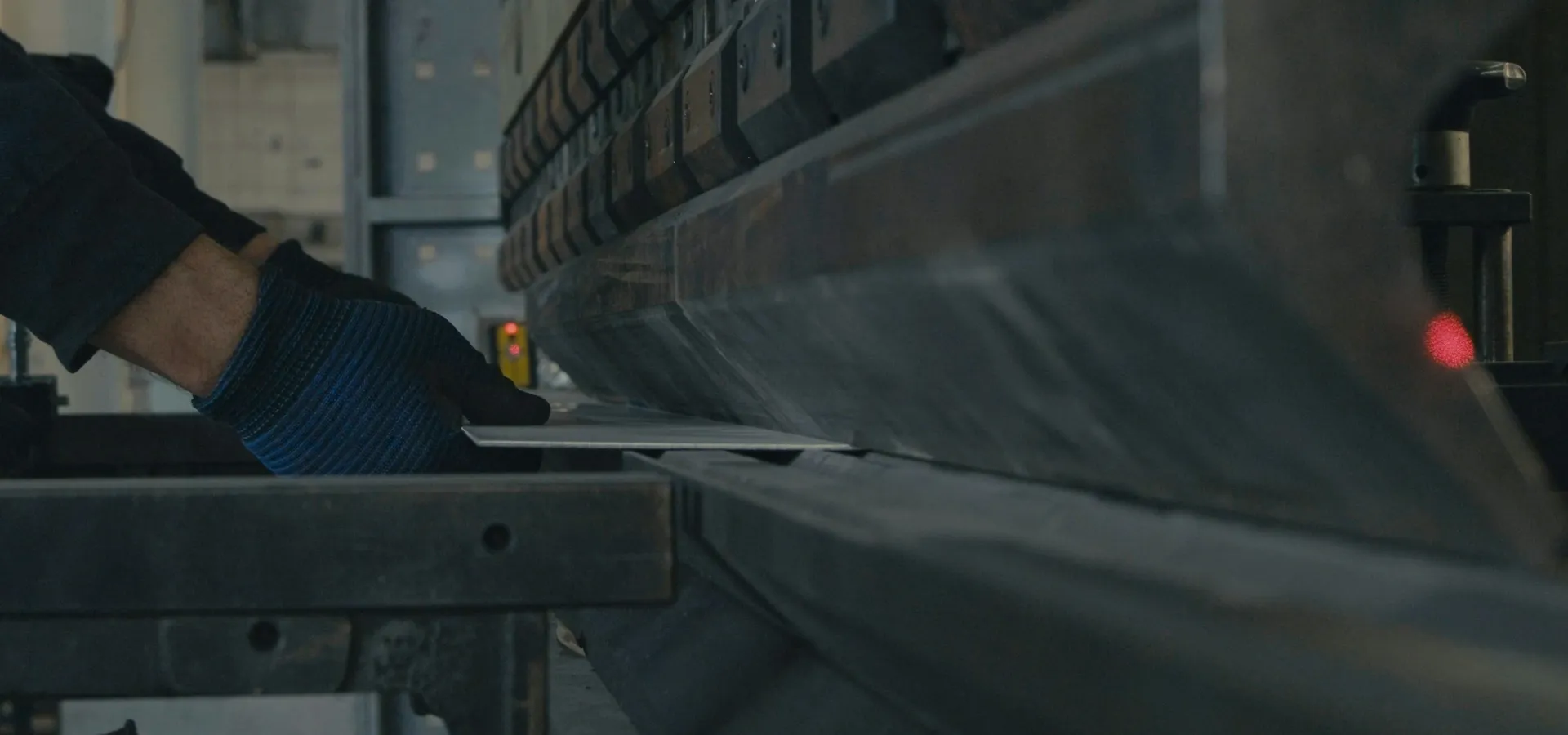
The shop · Made in Mexico
One shop, one crew.
The people who weld the seams are the people who fire the stove before it is crated.
How one gets built.
Stovehaus fabricates in Mexico. That is a fact about how the work gets done, not a line in a pitch — it means a replacement part does not cross an ocean, and it means the freight run north is short enough that a dealer margin on this line works against a European import.
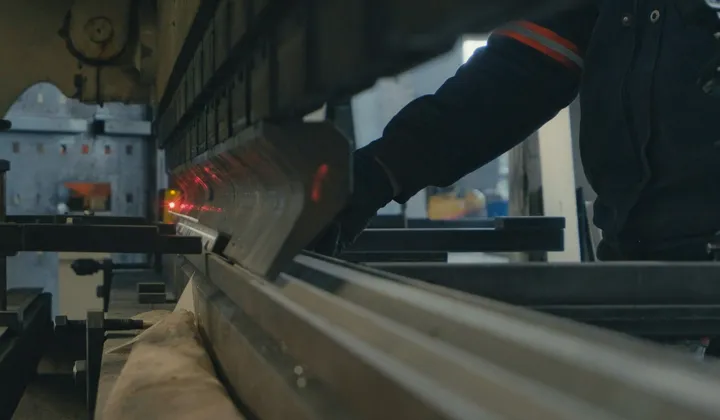
01
Cut from plate
A firebox starts as flat steel on a bench, cut to a pattern and folded. Not a stamped shell pressed from thin stock.
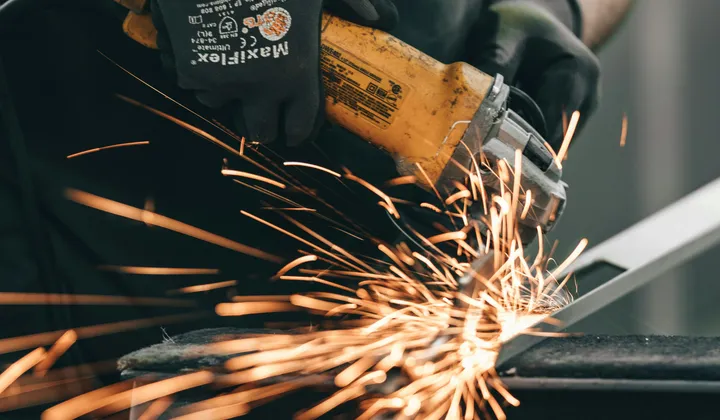
02
Seam-welded, then ground back
Seams are welded through, not tacked. The seam is the part that fails first on a stove fed hard for twenty years, so it is the part that gets the time.
03
Fired before crating
Every stove is loaded, brought up to temperature and checked hot. A cold leak test tells you less than a hot one.
04
Crated and shipped north
Stencilled, documented in metric and imperial, and freighted to the United States and Canada.
The photographs on this page are stock images of metalwork, not of our floor. We will replace them with our own shop as soon as we have shot it, and we are not going to pass someone else's bench off as ours in the meantime.
Why Mexico matters to a dealer
Two practical things follow from fabricating here rather than in Europe. The freight run north is short, which is what makes the margin on this line work against an import. And a replacement part does not cross an ocean to reach an installer with a job half finished.
Dealer information02
Made by hand, by people we can name.
One shop, one crew, every stove fired before it's crated.
01
Built heavy, on purpose.
Thick plate, welded seams, a firebox meant to be fed hard for twenty years — not a stamped shell.